From the engineering desk
Why Fall-Detection Wearables Cry Wolf (and How to Fix It)
In one real-world study, 83 of 84 fall alarms were false. The engineering playbook for specificity: alarm budgets, sensor fusion, escalation and field validation.
By Axon Labs Engineering
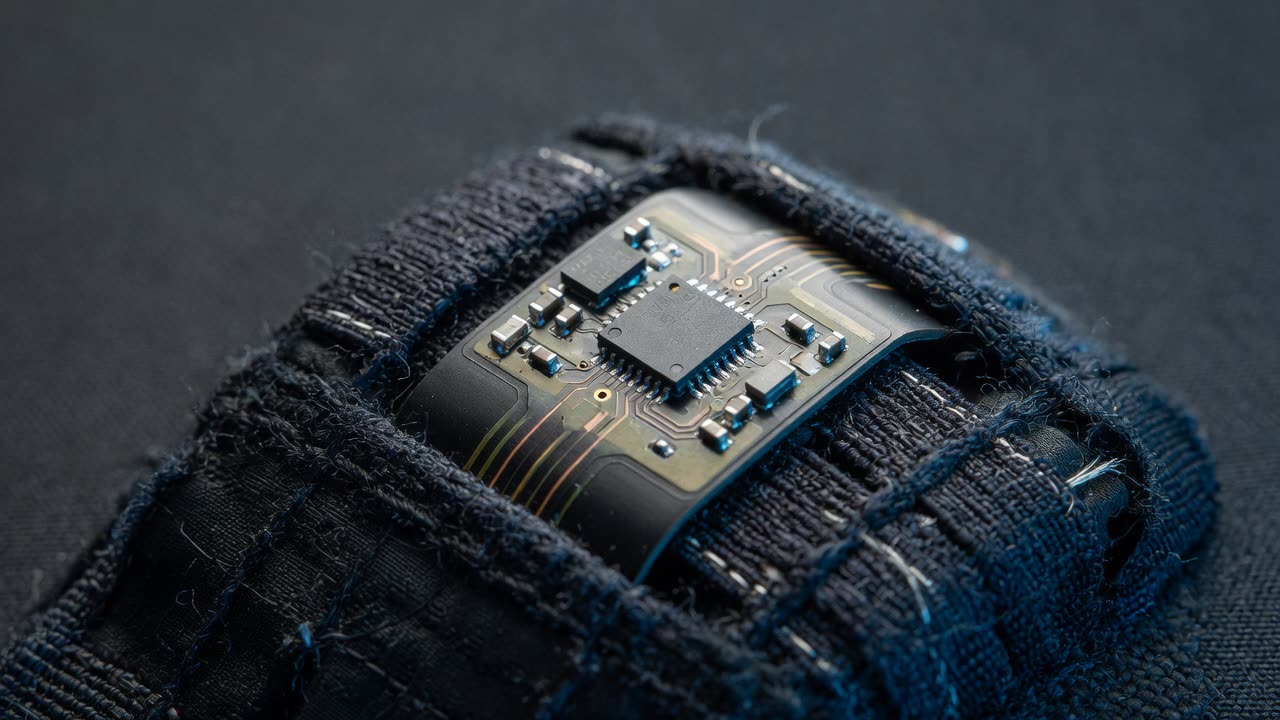
Fall detection looks like a solved problem. A 2025 wearable system published in Sensors reported 97.9% sensitivity and 99.9% specificity in validation — numbers that read like victory. Then there’s the field: in a real-world deployment with older adults, a commercial fall-detection device produced 84 alarms, and 83 of them were false. That gap — between the lab table and the kitchen floor — is the actual engineering problem in fall detection, and it’s the one this article is about.
Key takeaways
- Lab performance is not field performance: published systems hit 97.9% sensitivity / 99.9% specificity in validation, yet in one real-world study 83 of 84 alarms were false — and only 7.1% of fall-detection projects test in real-world settings at all.
- The arithmetic is unforgiving: a device evaluating thousands of movement windows daily produces regular false alarms even at 99.9% specificity. The false-alarm budget — alarms per user-month — must be a top-level spec with a number.
- The fixes are architectural: fuse modalities impostor motions can’t fake, escalate instead of alarming, and gate the program on free-living pilot data, not lab datasets.
The lab says solved. The field says otherwise.
The arithmetic labs don’t run
What actually triggers the false alarms
| Impostor event | Why the IMU is fooled | The discriminating signal |
|---|---|---|
| Sitting down hard | Impact spike resembles a fall’s deceleration | Pre-event gait context; posture recovery within seconds |
| Dropping / putting down the device | Freefall plus impact — textbook fall signature | On-body detection: skin contact, pressure, temperature |
| Car braking, elevators | Sustained acceleration transients | Vibration signature; GPS/speed context |
| Bed transfers, lying down fast | Orientation change plus impact | Location and time context; controlled-descent profile |
False positives are an adoption event, not an annoyance
Give the false-alarm budget a number
- Write it into the spec sheet beside sensitivity, and refuse the single-number accuracy conversation — a claimed “99% accurate” means nothing at these base rates.
- Trade deliberately. Sensitivity and specificity move against each other; the budget decides where on the curve you ship. A missed-fall backstop (an unanswered “are you OK?” check-in) buys specificity headroom safely.
- Segment the users. False-alarm rates vary person to person — frailty, gait, activity level all shift the impostor distribution (Scientific Reports, user-characteristics study). Per-user baselines beat one global threshold.
Fuse modalities the impostors can’t fake
Escalate, don’t alarm
Free-living data is the phase gate
- Instrument the pilots. Log candidate windows, not just alarms, so specificity can be measured against the full denominator.
- Gate on field metrics. Alarms per user-month and missed-fall backstop latency become EVT/DVT exit criteria, exactly like any other subsystem in the phase-gate process.
- Keep learning after ship. Field telemetry feeding model updates — through a signed, revertible OTA path — is both the performance flywheel and, since September 2026, part of the CRA’s update-capable architecture anyway.
Users don’t abandon devices that miss falls. They abandon devices that cry wolf.
The bottom line
- The lab exam is the wrong exam: 99.9% specificity coexists with 83-of-84 false alarms in the field, because base rates multiply tiny error rates into daily noise.
- Specificity is the commercial spec — false alarms drive abandonment, and an unworn detector detects nothing. Give the alarm budget a number and own it like a power budget.
- The fixes are architectural: fuse context the impostors can’t fake, escalate in stages instead of alarming, and validate on free-living data as a phase gate.
Frequently asked questions
How accurate is wearable fall detection?
Why do fall-detection devices produce so many false alarms?
What false-alarm rate is acceptable for a fall detector?
How do you reduce false positives in fall detection?
Why do lab results not transfer to real-world fall detection?
Sources
- PMC — Real World Accuracy and Use of a Wearable Fall Detection Device by Older Adults · verified 19 July 2026
- PMC — Fall Detection Devices and their Use with Older Adults: A Systematic Review · verified 19 July 2026
- BMC Public Health — Are wearable devices effective for preventing and detecting falls: an umbrella review · verified 19 July 2026
- Sensors (MDPI) — Wearable Fall Detection System with Real-Time Localization and Notification Capabilities · verified 19 July 2026
- CDC — Facts About Falls — Older Adult Fall Prevention · verified 19 July 2026
- Scientific Reports — Impact of users’ characteristics on the performance of wearable fall detection systems · verified 19 July 2026
- PMC — Validation of accuracy of SVM-based fall detection using real-world fall and non-fall datasets · verified 19 July 2026
- PMC — A Decade of Progress in Wearable Sensors for Fall Detection (2015–2024) · verified 19 July 2026
- NCOA — Get the Facts on Falls Prevention · verified 19 July 2026
- I'm Alive — Elderly Fall Statistics — Updated Data for 2026 · verified 19 July 2026
If the product has to ship, talk to the team that builds for that outcome.
Senior engineer on the first call. NDA before technical detail. References available under NDA after qualification. Or start with a fixed-fee feasibility study.