Insights
Written from active programs
Practical notes for teams shipping intelligent hardware — not theory detached from factories, certification, or power budgets.
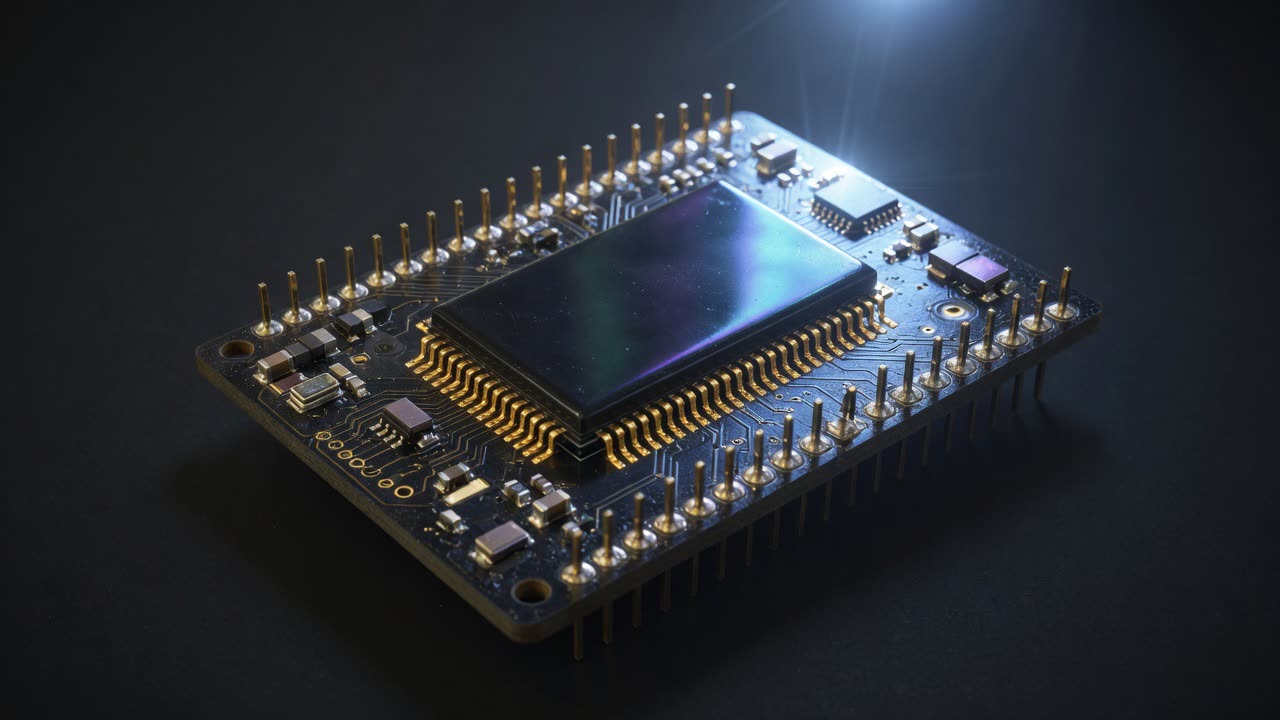
Edge bring-up checklist before field pilots
Before you ship edge hardware into a pilot site, lock power, thermal, connectivity, logging, update path, and failure behaviour — or the pilot will debug your lab debt.
Read article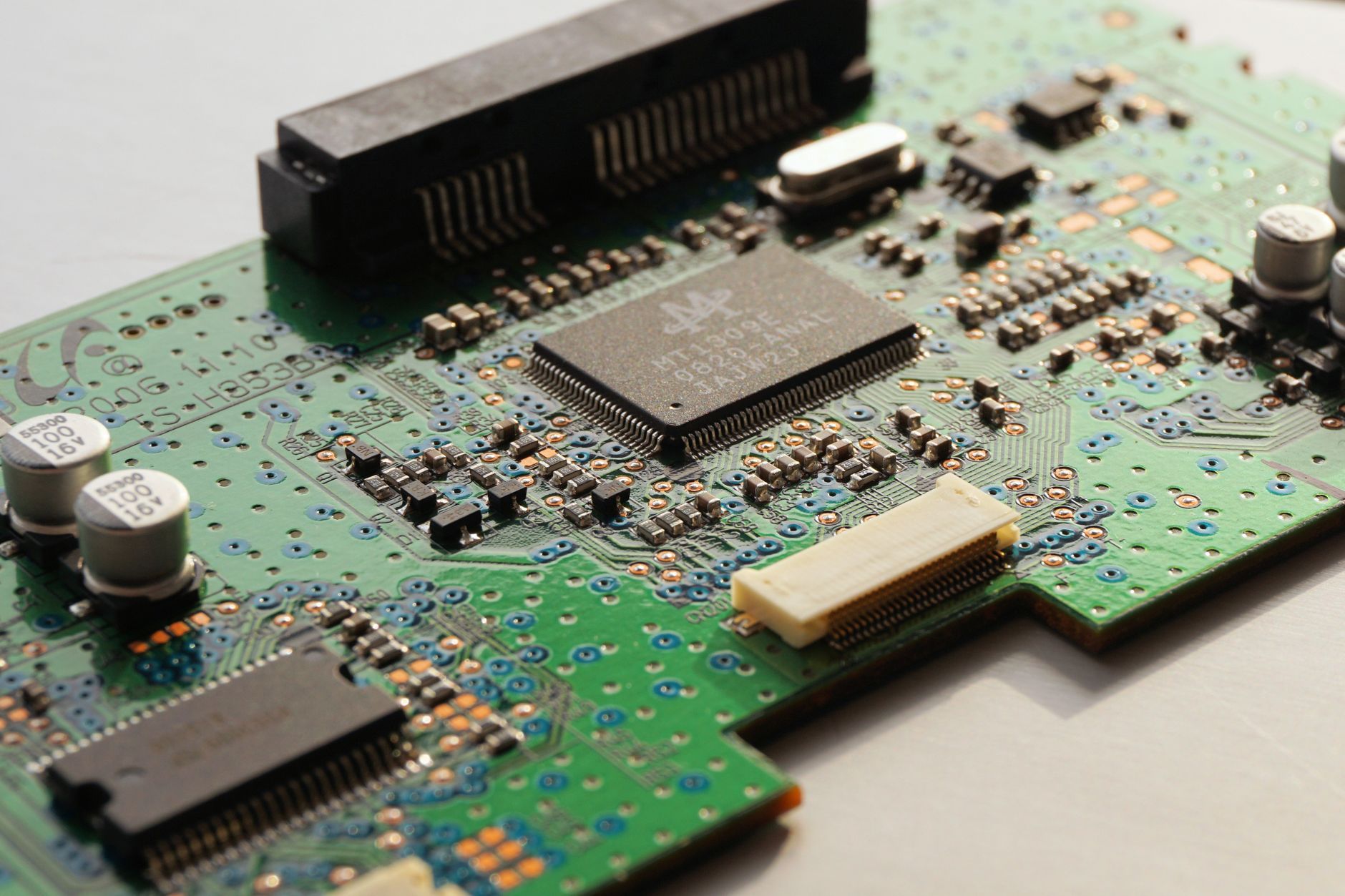
RSS-Gen Issue 6: Canadian ISED Certification vs FCC Grant Before EVT
An FCC grant is a United States authorization path, not Canadian ISED certification. Before EVT, freeze the host, module, antenna and RF-exposure geometry so Issue 6 does not turn into a late redesign.
Read article
The DFM Checklist: 20 Decisions to Make Before Tooling
A mold problem caught after the first trial costs $5K–$50K and weeks of delay. The 20 design-for-manufacturability decisions that catch it for free instead.
Read article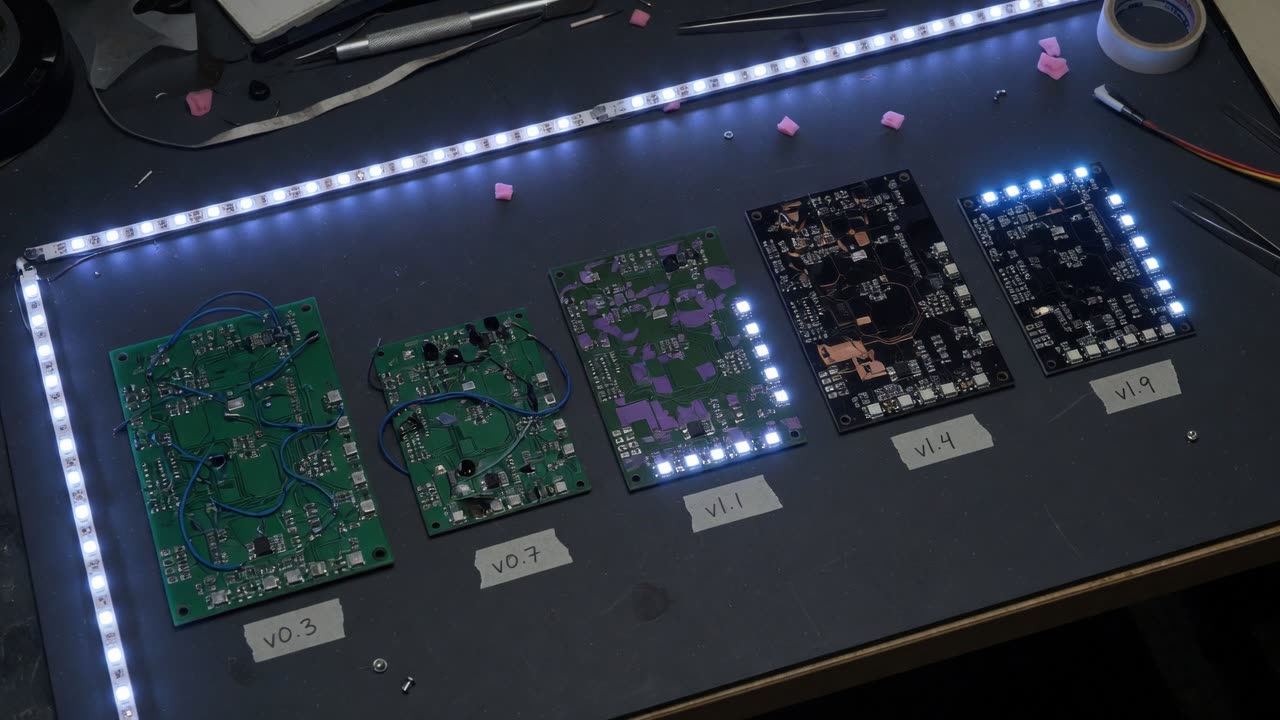
How Long Does Hardware Product Development Take? A Phase-by-Phase Timeline
Discovery to PVT typically runs 12–24 months. Here is the week-by-week breakdown, the parallel tooling clock, and where schedules actually slip.
Read article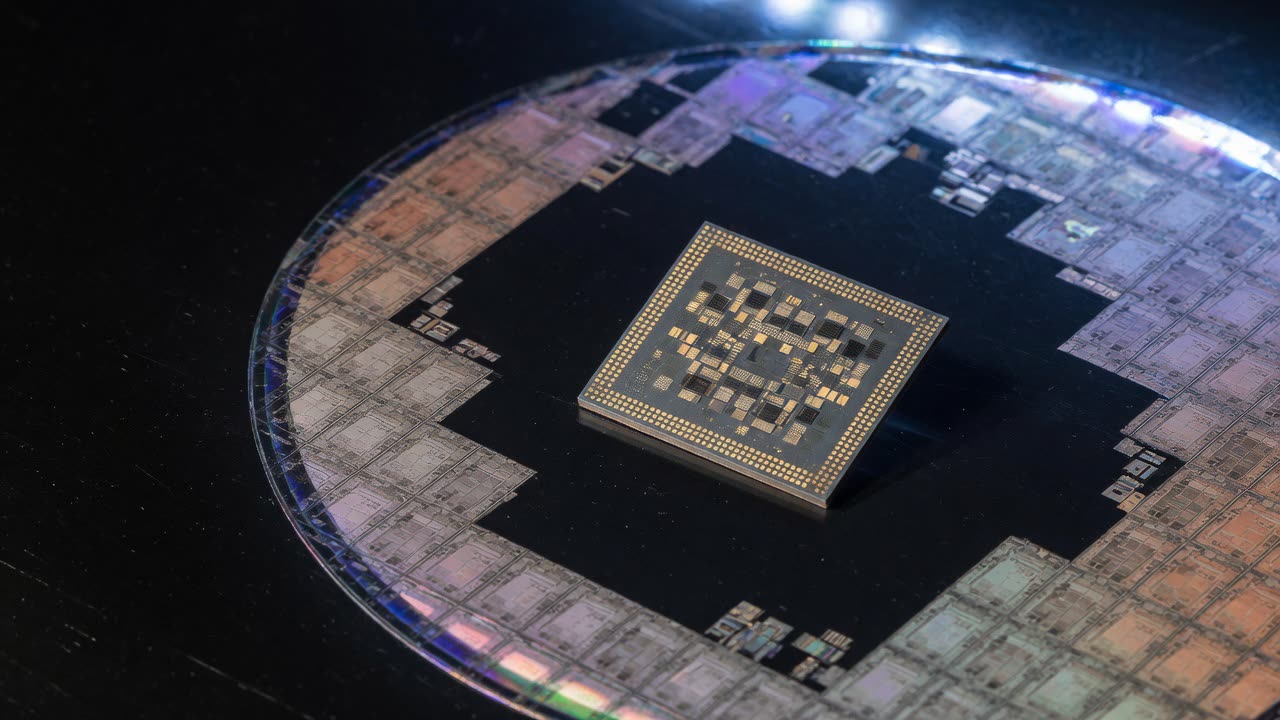
Edge SoC vs. NPU vs. MCU Accelerator: Choosing AI Silicon in 2026
TOPS sells chips; memory bandwidth ships products. A practitioner's framework for matching edge-AI silicon to your workload, power budget and BOM.
Read article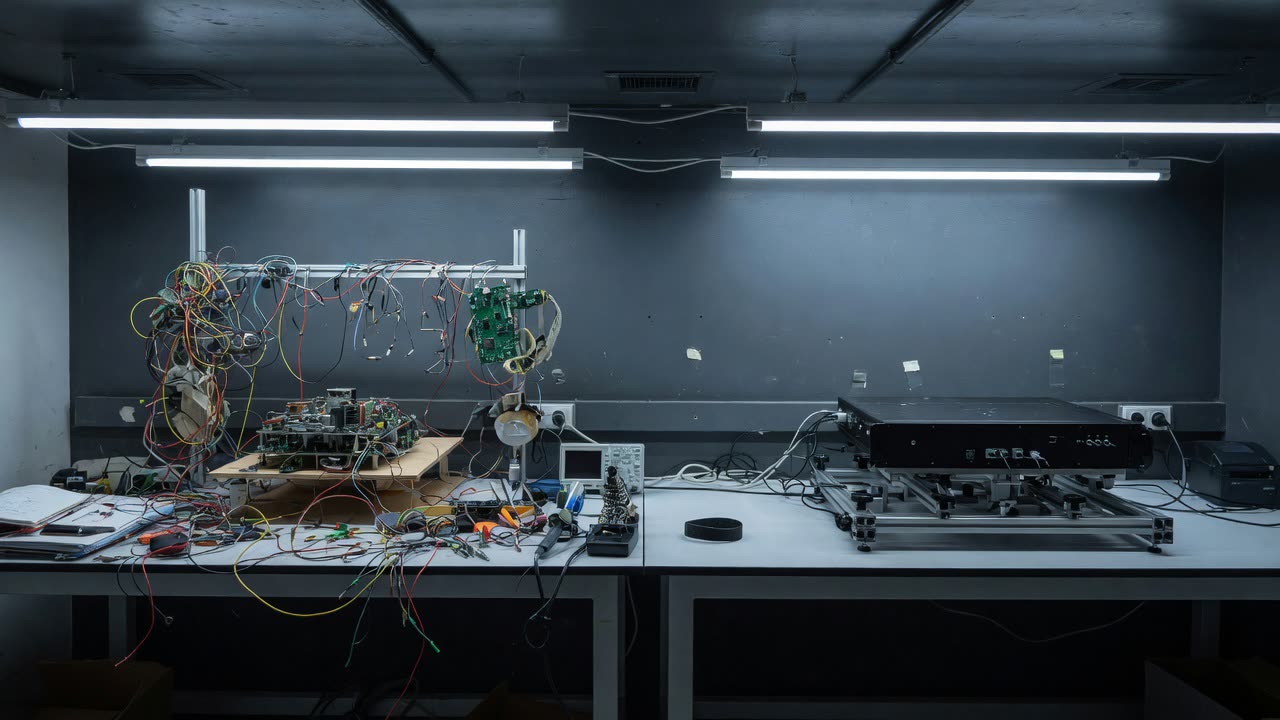
In-House vs. Outsourced Hardware Engineering: A Decision Framework
Building a hardware team runs $640K–$960K a year and takes 6–12 months to stand up. When to hire, when to outsource, and why most enterprises land on hybrid.
Read article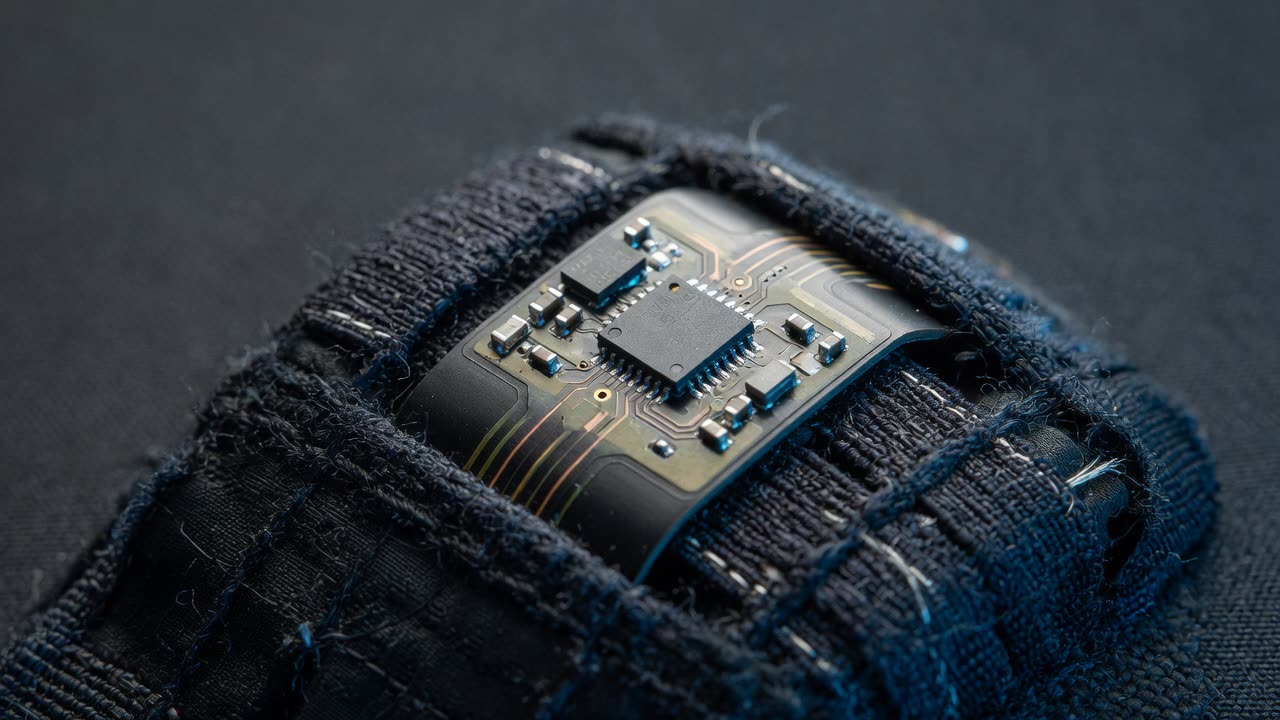
Why Fall-Detection Wearables Cry Wolf (and How to Fix It)
In one real-world study, 83 of 84 fall alarms were false. The engineering playbook for specificity: alarm budgets, sensor fusion, escalation and field validation.
Read article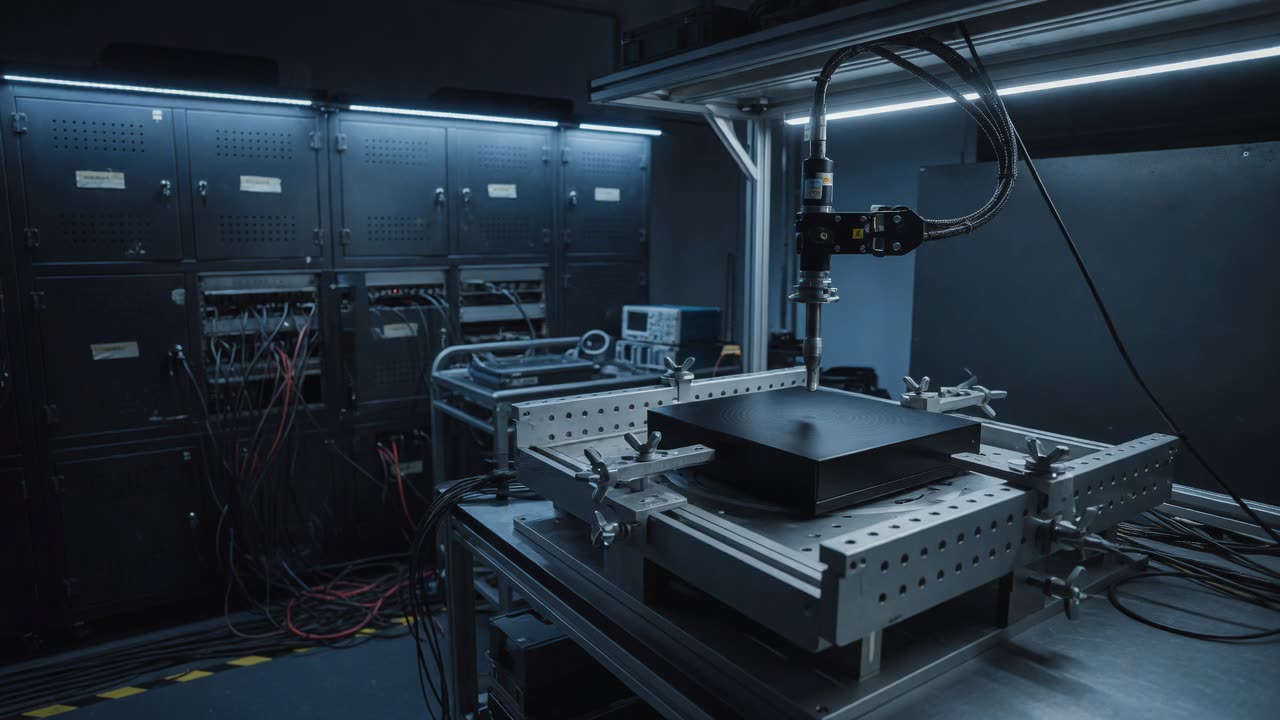
Cyber Resilience Act: An Engineering Guide for Device Makers
What the CRA requires you to build — SBOMs, secure boot, signed updates and 24-hour reporting readiness — before the September 2026 deadline.
Read article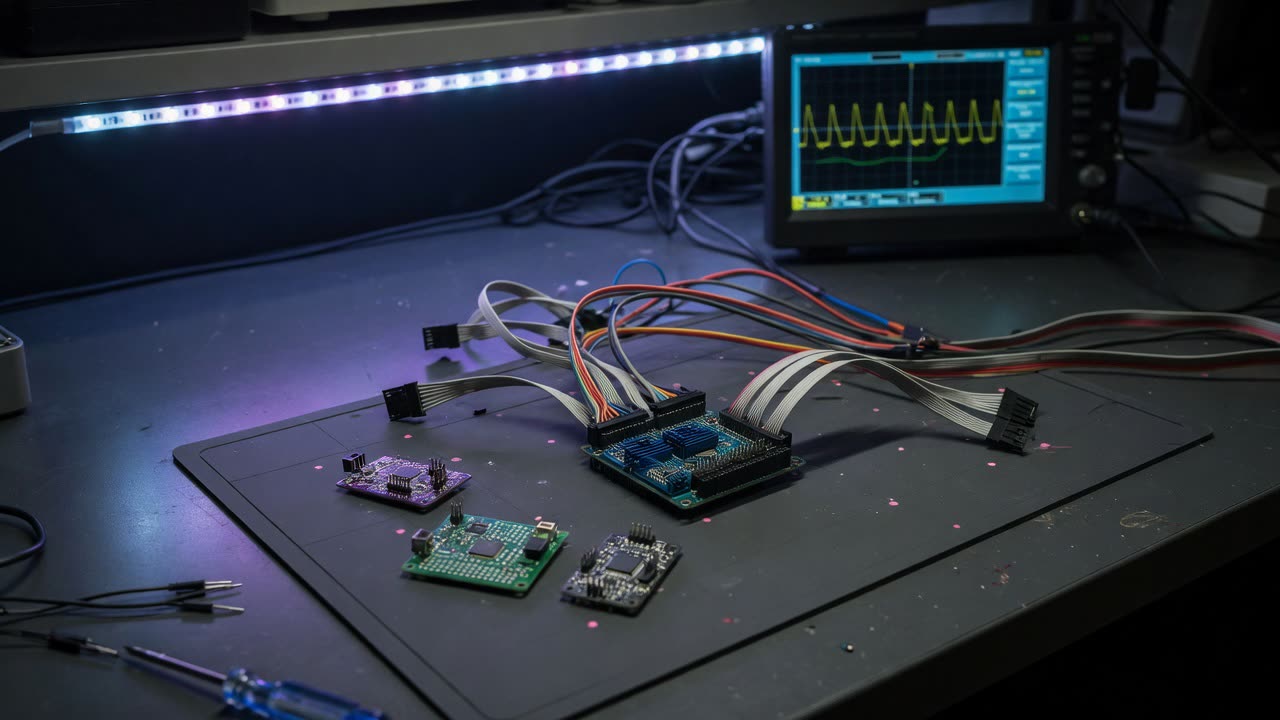
Edge AI Product Development: Architecture, Silicon & Deployment
Where intelligence should live, which silicon class fits the workload, and how models survive contact with production hardware.
Read article
EU AI Act Deadlines for Device Makers: What Applies in 2026
High-risk obligations slipped to 2027–2028 — but Article 50 transparency lands 2 August 2026. Which deadline applies to your product, and what to build.
Read article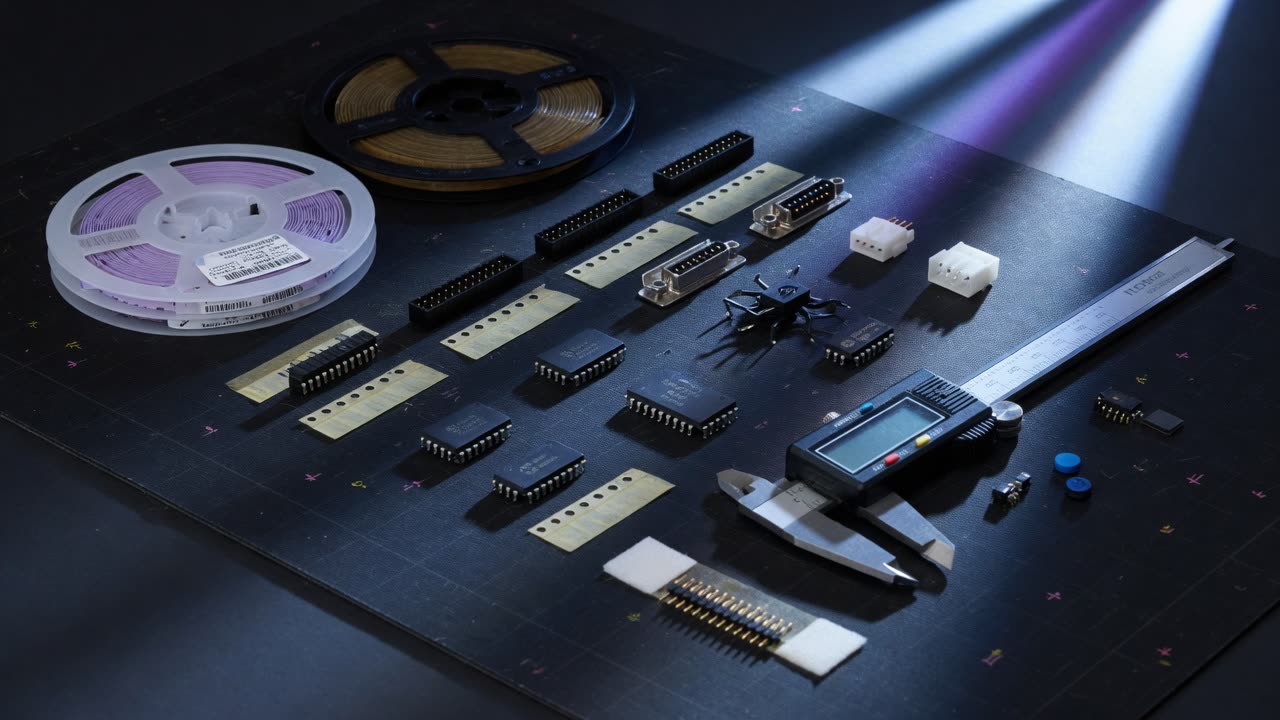
Hardware Product Development: The Complete 2026 Guide
What it costs, how long it takes, and where programs actually die—from concept to production.
Read article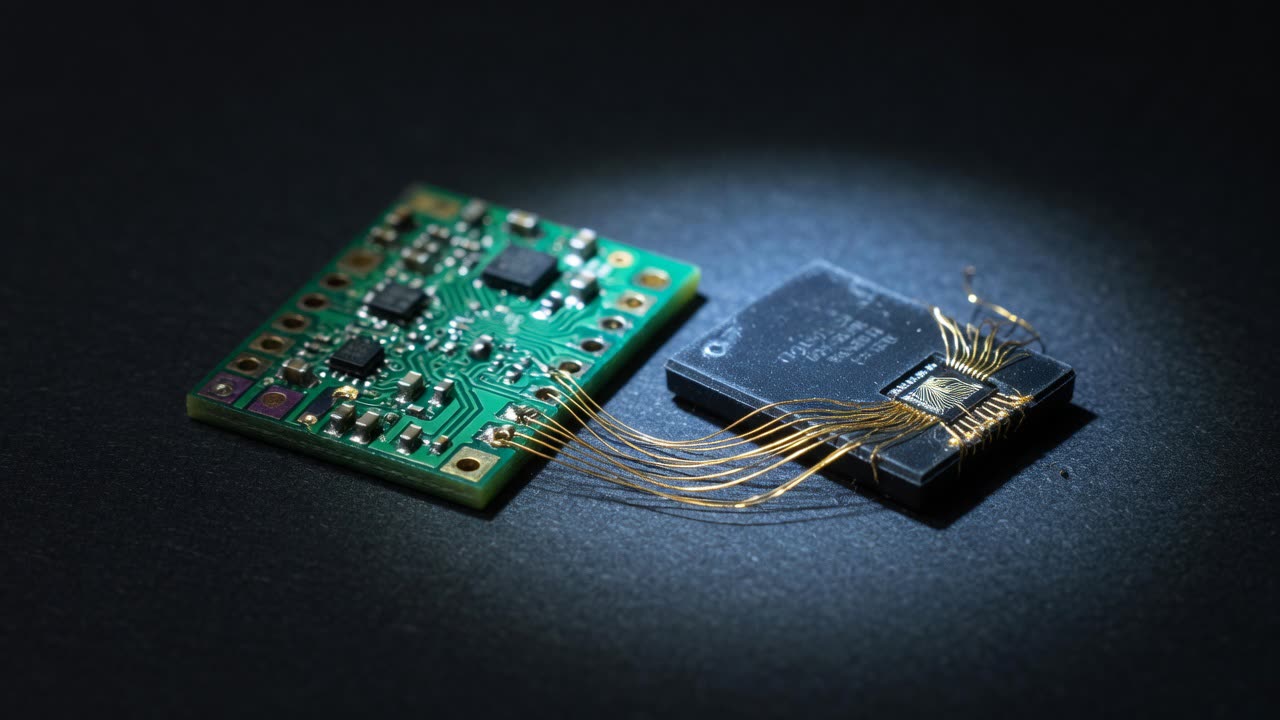
How Much Does It Cost to Develop a Hardware Product in 2026?
The line-by-line answer: $75K–$400K+ from concept to market, where every dollar goes, the multiplier nobody budgets, and a worksheet to plan with.
Read articleCan Your Product Run a Language Model? SLMs on Embedded Hardware
Small language models fit in 1–2 GB and run without the cloud. What it actually takes — in RAM, bandwidth, power and BOM — to ship one in a device.
Read article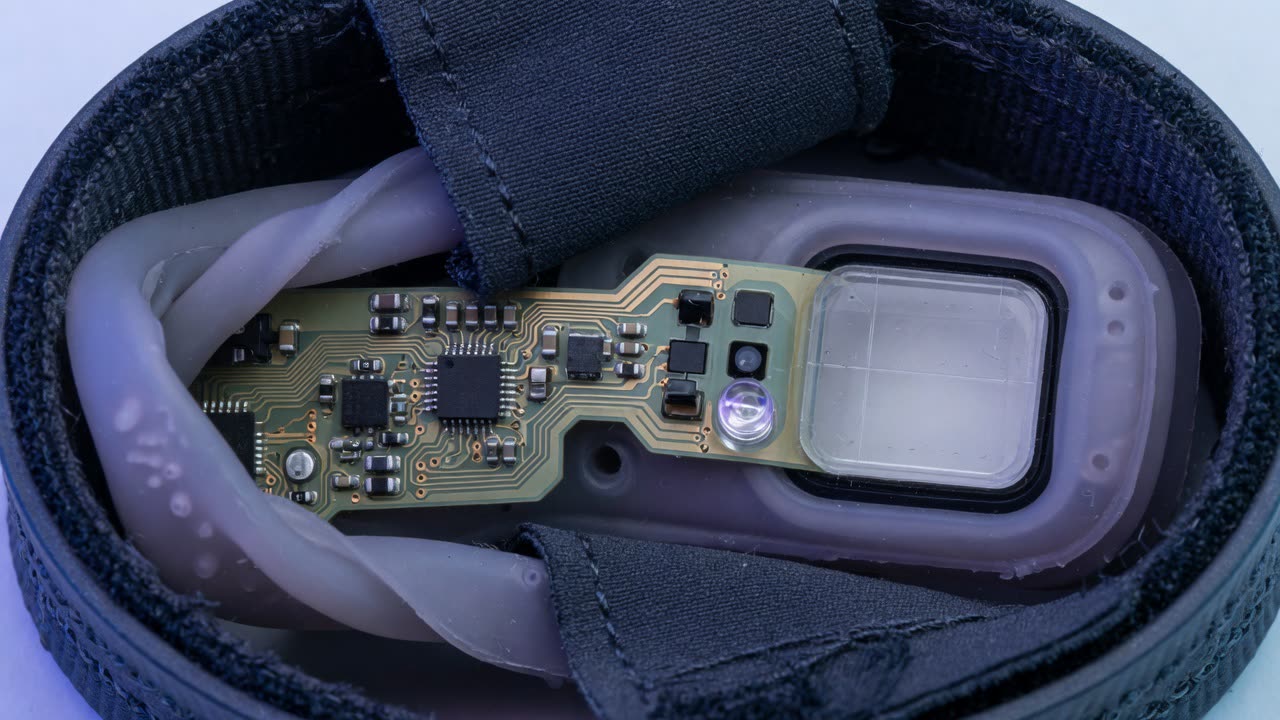
Wearable Health Device Development: Feasibility to Certification
Classification, BOM, antennas, batteries and false positives — the engineering decisions that decide whether a health wearable ships.
Read articleIf the product has to ship, talk to the team that builds for that outcome.
Senior engineer on the first call. NDA before technical detail. References available under NDA after qualification. Or start with a fixed-fee feasibility study.